Nonprofit PR can do more than get an organization mentioned in a news broadcast. For nonprofits and mission-driven groups, the right story can help people understand the work, value the mission, and take the next step. That step might be a donation, a volunteer inquiry, a partnership conversation, or a call from someone who needs help.
A newspaper quote, television segment, or podcast interview can fade fast if there is no plan behind it. The coverage must be earned, shaped, shared, and used to support the organization’s overall goals and objectives. That’s the definition of strategic PR.
This is where many nonprofits get stuck. While they know their work matters, and occasionally receive positive media coverage, they’re uncertain how they can secure consistent earned media results to build their thought leadership, visibility, and reputation.
Why Nonprofit PR Needs More Than A Good Cause
A strong mission helps, but on its own it is not enough. Reporters and producers are busy and need stories that are timely, clear, credible, local, and easy to understand. They also need strong visuals to support their storytelling efforts.
A nonprofit might have a powerful program, but the pitch can still miss if it sounds too broad. “We help families” is meaningful, but it does not give the media much to build around. A better story might focus on a local family, a new report, or a program filling a gap no other groups are visibly addressing.
Inside the organization, everyone already understands the mission. Outside of the organization, people need the issue framed for them. Good nonprofit PR closes that gap by creating a compelling narrative, highlighting compelling human-interest stories, and regularly disseminating news and expert views.
What Happens When Media Attention Is Left To Chance
Some organizations wait until a big campaign, crisis, or fundraising push to think about PR. It’s far more advantageous to be proactive and have a strategic nonprofit PR plan in place.
When there is no clear messaging, spokespeople may convey disjointed messages. When media lists are outdated, pitches go to the wrong contacts. When an interview opportunity appears, the team may not respond fast enough or might not anticipate difficult media questions.
Without consistent earned media, a nonprofit can do meaningful work while staying nearly invisible. Donors may not see the urgency. Policymakers may not understand the issue. Employees may not feel the organization is being recognized for its work, which can impact morale.
How Earned Media Builds Trust For Nonprofits
People tend to hear nonprofit messages differently when they come through earned media. A story in a respected outlet can carry a level of credibility that an owned social post or paid ad simply cannot match.
Earned media also gives owned channels stronger material to work with. A feature story can become a donor update. A broadcast interview can facilitate a grant conversation. A podcast appearance can help a subject matter expert reach people who care about the issue.
Think about a nonprofit working on adult literacy. A short post saying “literacy matters” may get polite agreement. A media story about an adult learner reading to a child, applying for a better job, or navigating a doctor’s form alone lands differently.
The power of a good story is that it makes the abstract real.
Nonprofit PR Should Prepare People Before The Interview
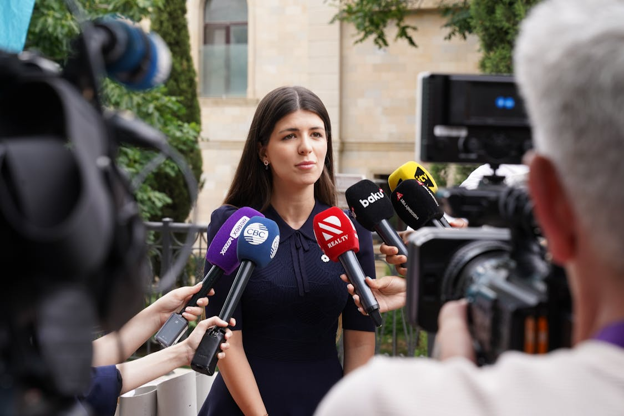
The interview is often where the opportunity is won or wasted. A spokesperson may know the issue inside and out, but that does not necessarily translate into a powerful media moment.
Some people give answers that are too short, too long, or overly technical. Others utilize too many statistics or use the organization’s internal messaging, which can be construed as jargon. The narrative and language a nonprofit use must resonate with viewers, listeners, or readers, or the interview won’t be memorable.
Some hesitate too long or freeze when a reporter asks a difficult question. That does not mean they are bad spokespeople; it means they need professional media training. Media training helps nonprofit leadership, internal subject matter experts, advocates, and key opinion leaders get comfortable with the pace of interviews. That includes practicing short answers, bridging back to core messages, handling tough questions, and making the call to action clear without sounding scripted or overly promotional.
The goal is not to turn people into performers but to help them sound like themselves, only clearer and more focused.
The Story Needs A Second Life After It Runs
Most of the value of earned media comes after the placement. A good media story should not sit on a news page and disappear after a day or so. It must be shared with donors, board members, staff, volunteers, advocacy groups, community partners, legislators, and grant writers. It can support email campaigns, social content, conference follow-up, fundraising conversations, and build employee morale. For example, if a regional food bank nonprofit earns a local television segment about a food access program, that segment can help a development director show the need to potential funders. It can also help a program leader create a new partnership conversation.
Earned media turns into real support by becoming proof, not just publicity.
The Real Measure Is What The Coverage Helps Move
Start with the audience. A donor, a legislator, a parent, a patient, and a community partner may all care about the same mission for different reasons. The story angle should match the person you need to reach.
Next, make the issue concrete by using real examples, plain language, and specific stakes. “More families need support” is far less useful than explaining what happens when a waiting list grows, or the community benefits of a program that prevents a problem from getting worse.
Then think past the media placement. Before a story runs, decide how it will be used afterward. Who should receive it? What action should it support? It can build reputation, strengthen thought leadership, improve search visibility on Google and in AI search, attract partners, support advocacy, or make a fundraising conversation easier. For nonprofits, PR should connect back to outcomes.
Nonprofit PR should help people understand the issue, trust the organization, and know what to do next. When earned media is planned that way, it becomes more than coverage. It becomes a tool for support, credibility, and action.
If your organization wants earned media to do more than create a quick moment of attention, start with nonprofit PR that turns media coverage into real support and build each story around the people, partners, and decisions you need to reach.
National PR Agency Credentials
Rosica Communications is a nationally recognized nonprofit PR firm specializing in social media, media relations, thought leadership, crisis communications, SEO, AI search marketing, content marketing, and integrated PR and marketing communications. Our team develops strategic communications programs that secure earned media coverage, reinforce credibility, and strengthen stakeholder engagement.
To thoroughly measure PR and thought leadership programs, Rosica developed the most comprehensive PR and thought leadership measurement tool available today. The Thought Leadership Matrix™ assesses more than 20 indicators to benchmark influence and category-sector rankings over time.
Learn more by scheduling a call with Chris Rosica, CEO and president of Rosica Communications: https://www.rosica.com/contact/