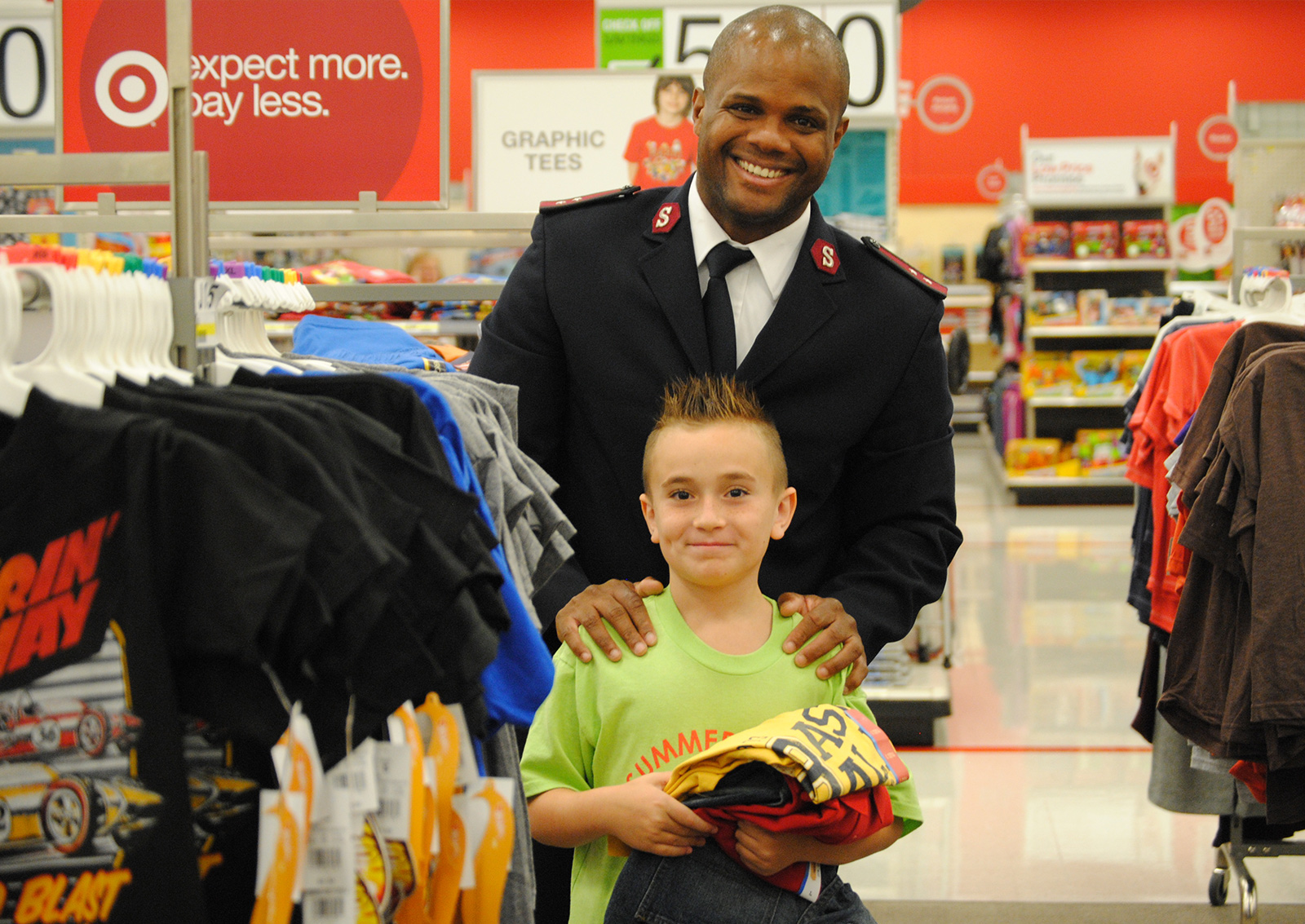
From raising awareness to raising much needed dollars, Rosica helps national and regional nonprofit organizations, foundations, and associations achieve their organizational objectives. Our senior leadership includes a former non-profit executive with 25 years of experience using communications to inspire action from targeted audiences and our CEO, Chris has served on various volunteer boards for more than 20 years.
We help nonprofits engage such stakeholders as donors, volunteers, legislators, community groups, and other mission-critical audiences through strategic media relations, community relations, and marketing communications programs that raise awareness, grow thought leadership, and drive action. Time and again we develop content, execute media events, and conduct proactive media outreach that makes news and communicates a compelling call to action.
We help industry trade associations with their internal and external communications goals, including recruiting and retaining members and providing PR and communications counsel to foundations. We provide smart strategies for media relations, issues management, crisis communications, annual meetings and conferences, publications, and speaking opportunities, all designed to shape perception, grow thought leadership, and compound the good these clients work tirelessly to facilitate. We also help our nonprofit PR clients with digital marketing services that include online advertising grants, social media marketing, online reputation management/monitoring, search engine optimization, and WordPress website development.
Rosica’s non-profit award-winning PR experience spans decades. While most (80%) of the agency’s clients today are nonprofits, they commonly bridge our other practice areas, including education, consumer and pet health. While we do not work exclusively with not-for-profit organizations, all our clients are mission-driven, working to bring about meaningful change, solve important problems, or disrupt the status quo. Here’s a more in-depth breakdown of our nonprofit experience:
National & Regional Nonprofits and Foundations
- Education – Integrated public relations and marketing services for such education nonprofit categories as early childhood, K-12, student services, youth development, and equal opportunity clients
- Health – PR and marketing communications support, including video strategy for organizations addressing food security, diseases and medical conditions, access, care quality, mental health, and substance abuse prevention and addiction services programs
- Public Safety – Public awareness, community relations, and media outreach/events for disasters and emergency management, crime prevention, first responder organizations, and fire prevention and control clients
- Environmental – Public affairs, PR, and social media and content development strategies and services to support environmental education, natural resources, environmental protection, and climate change initiatives
- Community and Economic Development – Media relations and government relations support for community improvement/development, housing development, and sustainable development programs
- Information and Communications – Full-service PR, content development, and stakeholder communications for libraries and public information campaigns
- Arts and Culture – Media events, partnership development, exhibit debuts, and donor cultivation activities for cultural awareness, language revitalization, and museums client-partners
Click here to speak with one of our nonprofit PR experts.
Nonprofit PR — Frequently Asked Questions
The right PR agency is the one that understands mission-driven work and can connect communications to outcomes and results, not just media placement. Nonprofits operate in a high-trust environment with complex stakeholders, including boards, donors, partners, policymakers, staff, volunteers, and the communities they serve. The best agency partners bring senior-level strategic counsel, nonprofit experience, and a clear plan for positioning, messaging, earned media, and thought leadership that supports organizational priorities.
Additional detail
Look for a strategic partner, not a vendor. Start by evaluating whether the agency understands how nonprofits operate, including governance, donor expectations, community accountability, and reputational risk. Then assess how they build strategy. Strong agencies lead with positioning and messaging first, aligned to your goals, then execute media relations and thought leadership from that foundation.
As you compare options, prioritize senior counsel involvement, relevant nonprofit experience, crisis preparedness, and measurement that reflects trust signals and message pull-through, not just impressions. The best partners ask smart questions early about goals, approval process, risks, and what success needs to look like for leadership.
What to look for:
• Proven nonprofit and mission-driven experience
• Senior counsel involved day to day
• Crisis planning and response capability
• Transparent measurement tied to outcomes
• Collaborative approach with your internal team
A PR agency helps a nonprofit earn trust, build credibility, and communicate clearly with the audiences that influence support, funding, and community confidence. This includes developing strategy and messaging, translating impact into stories, securing earned media, and positioning leaders as credible experts through interviews, bylines, and speaking opportunities. A strong PR partner also protects reputation by preparing the organization to respond quickly and consistently when issues arise.
Additional detail
Nonprofit PR is not a single press push. It is an ongoing program designed to strengthen reputation and stakeholder confidence over time. That means aligning leadership and internal teams around clear messages, identifying newsworthy angles tied to outcomes and results, and earning third-party validation through media and influential voices. It also includes spokesperson preparation, communications planning for donors and partners, and monitoring so emerging narratives are addressed before they escalate.
What a nonprofit PR agency typically delivers
• Positioning, messaging, and narrative development
• Earned media strategy, outreach, and interview coordination
• Thought leadership, bylines, speaking opportunities, and executive influence
• Spokesperson preparation and media training
• Stakeholder communications support and internal alignment
• Issues management and crisis preparedness, plus rapid response
• Measurement focused on media quality, message pull-through, and trust signals
PR is important for nonprofits because trust is the currency that drives support. Donors, partners, policymakers, and community stakeholders back organizations they believe are credible, accountable, and effective. A strong PR program builds that confidence by clearly explaining what the organization does, why it matters, and what outcomes it delivers, then reinforcing that story through third-party validation and consistent leadership communications.
Additional detail
Nonprofits operate in a crowded environment where good work is not always well understood. There are roughly 1.9 million registered tax-exempt organizations in the United States, which means stakeholders have many causes competing for their attention and support. PR helps organizations differentiate clearly, earn credibility through trusted outlets and influential voices, and keep stakeholders aligned around the same core messages across media, digital channels, and donor communications. It also strengthens readiness for reputational risk, so leadership can respond quickly, accurately, and consistently when scrutiny increases.
PR is also increasingly important for online discovery, including AI search. Clear, consistent language about your mission, expertise, and outcomes helps search systems and stakeholders understand your organization without confusion or conflicting messages.
What PR helps nonprofits accomplish
• Strengthen stakeholder trust and confidence
• Earn third-party validation that reinforces credibility
• Clarify differentiation and reduce message confusion
• Support fundraising, partnerships, and advocacy with stronger proof points
• Prepare for issues and respond with speed and discipline when needed
PR integrates with fundraising by building trust and credibility before a donation is ever requested. When donors and foundations consistently see clear messaging, credible leadership, and third-party validation through earned media and expert visibility, they have more confidence in the organization’s legitimacy and impact. That trust makes fundraising campaigns, appeals, and donor conversations more effective because the “why you should give” case is already established.
Additional detail
Fundraising performs better when stakeholders already trust the organization. PR builds that foundation by elevating outcomes, leadership credibility, and third-party validation. Earned media coverage, expert commentary, and consistent messaging make donors more likely to believe your impact and act on a donation request.
PR also supports development teams by sharpening the narrative around major initiatives like capital campaigns, program launches, and milestone moments. It creates reusable messaging, story assets, and spokesperson readiness that fundraisers can carry into donor meetings, grant proposals, and supporter communications. PR can also help protect giving momentum during reputational pressure by ensuring the organization responds quickly and consistently with disciplined messages.
How PR strengthens fundraising
• Establishes credibility before a campaign launches
• Amplifies major announcements and milestones
• Creates stories and proof points that fundraisers can promote
• Builds leadership authority that increases donor confidence
• Helps protect giving momentum during reputational pressure
Nonprofit PR focuses on reputation and credibility, strengthening how the organization is understood and trusted by stakeholders. Marketing and advertising are typically designed to drive awareness and specific actions, like event registrations, program sign-ups, or campaign engagement, often through owned and paid channels. Fundraising asks for financial support directly. PR creates the trust signals that make those efforts more effective by earning third-party validation and ensuring messages are consistent, credible, and grounded in outcomes and results.
Additional detail
PR is long-term and reputation-focused. It builds authority through earned media, thought leadership, and stakeholder communications that reinforce legitimacy over time. Marketing and advertising can generate faster reach, but they do not carry the same credibility as earned validation. Fundraising converts that credibility into support, but it is harder to secure gifts when stakeholders are unsure who you are, what you do, or whether your outcomes are real. Strong nonprofits align all four functions so the story is consistent across media, website, donor communications, and campaigns.
Simple way to think about it
• PR = credibility and reputation
• Marketing = promotion and engagement
• Fundraising = donor conversion and support
• Advertising = paid reach and targeting
PR helps nonprofits earn media coverage by shaping mission work into newsworthy stories, targeting the right journalists, and preparing leaders to communicate clearly and credibly. The goal is not one-off mentions. It is consistent, high-quality coverage that reinforces trust, strengthens reputation, and positions the organization as a reliable resource in its issue area.
More detail
Media coverage does not happen simply because an organization is doing good work. It happens when the story is timely, relevant to an outlet’s audience, and supported with strong proof points. PR helps nonprofits identify angles that connect outcomes to current issues, community needs, data, and real people impacted by the work. It also ensures outreach is focused and respectful of reporters’ beats, deadlines, and editorial priorities.
A strong PR program prepares spokespeople with clear messages, strong quotes, and interview readiness, so journalists get what they need quickly and confidently. Over time, that consistency builds relationships and positions the nonprofit as a trusted source, which increases repeat opportunities and improves the quality of coverage.
PR improves
• Story angles and timely news relevance
• Reporter targeting and outreach strategy
• Spokesperson preparation and interviews
• Consistency and repeat coverage over time
The main goals of a nonprofit PR program are to strengthen trust, protect reputation, build leadership authority, and support mission outcomes through consistent, credible communications. Done well, PR helps stakeholders understand what your organization does, why it matters, and what results you deliver, while reinforcing that story through earned validation, disciplined messaging, and visible leadership.
Additinoal detail
A nonprofit PR program should be designed around outcomes, not activity. That means building stakeholder confidence, increasing credibility through earned media and influential voices, and positioning leaders as trusted experts in the organization’s issue area. PR also supports fundraising, partnerships, and advocacy by ensuring messages are clear, consistent, and easy to repeat across channels.
For online discovery, including AI search, quality matters more than volume. Google’s guidance emphasizes creating “helpful, reliable, people-first content,” and strong PR supports that by building credible signals and consistent narratives across trusted sources.
Common PR program goals
• Strengthen reputation and stakeholder trust
• Earn credible third-party validation
• Build leadership thought leadership
• Support fundraising and advocacy priorities
• Improve discoverability through reliable content signals
• Strengthen crisis readiness and response speed
PR agencies help nonprofits prepare for reputational risk by building a clear, practical response system before an issue arises. That includes scenario planning, approved messaging, spokesperson preparation, and response protocols so the organization can act quickly, communicate consistently, and protect stakeholder trust when scrutiny increases.
Additional detail
Reputational risk often escalates when organizations are slow, inconsistent, or unclear. A PR agency helps nonprofits reduce risk by identifying vulnerabilities, aligning leadership and internal teams, and building message discipline before an issue hits. That includes scenario planning, drafting holding statements, creating message maps for sensitive topics, and establishing who approves what and how fast.
Preparedness also includes training spokespeople so leaders can communicate clearly under pressure and setting up monitoring so the organization catches early warning signs before a narrative gains momentum.
Key preparedness components
• Risk assessment and scenario planning
• Statements and approved language
• Spokesperson training and interview readiness
• Internal roles, approvals, and response timelines
• Monitoring and escalation protocols
Pre-crisis planning is essential because when facts are still emerging, misinformation spreads fast. If stakeholders do not hear from the organization quickly and consistently, trust can erode before leadership has the chance to communicate clearly, confirm details, and take corrective action. A plan protects reputation by ensuring the organization can respond with speed, accuracy, and accountability.
Additional detail
Nonprofits are held to a high standard, especially by donors, partners, and community stakeholders. If an issue arises and the organization is not prepared, delays and mixed messages create confusion and invite speculation. Pre-crisis planning reduces that risk by establishing approved messaging, coordinated internal roles, and a disciplined response approach so the organization can move quickly with accurate information.
Planning also protects staff and leadership. It clarifies roles and approvals so the organization is not debating process during a high-pressure moment. The goal is not spin. The goal is speed, accuracy, and accountability.
What planning enables
• Faster response with fewer errors
• Consistent messaging across stakeholders
• Reduced rumor and misinformation cycles
• Stronger internal alignment under pressure
Nonprofits rebuild trust through transparency, accountability, and corrective action, supported by consistent communication that shows leadership is addressing the issue and improving outcomes. Trust returns when stakeholders can clearly see what happened, what the organization is doing about it, and how progress will be measured over time.
Additional detail:
Trust is rebuilt through clear acknowledgement and corrective actions, communicated consistently. The first step is stabilizing the situation with accurate facts, a clear plan, and disciplined messaging. Next is acknowledging impact and demonstrating accountability, including what is changing, who is responsible for implementing changes, and how the organization will prevent recurrence. Then the organization must follow through with consistent updates and proof of improved outcomes.
Third-party validation can support recovery, but it cannot replace corrective action. Strong recovery communications make it easy for stakeholders to understand what happened, what is changing, and what results the organization is delivering now, so confidence can be rebuilt with donors, partners, staff, and the communities the nonprofit serves.
What trust rebuilding requires
• Clear acknowledgement and stakeholder-first language
• Corrective actions and follow-through, not just statements
• Consistent updates with proof points over time
• Disciplined messaging across donors, partners, staff, and media
 Karen Boykin-Towns,
 Hank Asher,
 Donald H. Bowers,
 Ronald Chaluisán Batlle,
  Mike Ferranti,
 Maureen Wales,
  Lieutenant Colonel Ricardo Fernandez,
 Pat Johnston,